









Fighting fire with nature in The Gambia
“We developed a strategy which establishes key gaps that hinder effective bushfire management.”
Technical support boosts bushfire management in The Gambia
CIFOR-ICRAF is helping prevent wildfires through large-scale Ecosystem-based Adaptation (EbA)
Every year, bushfires ravage The Gambia’s forests, affecting half of the country’s woodland, destroying biodiversity, and threatening livelihoods. Conscious of the urgent need for action, CIFOR-ICRAF spearheaded the development of The Gambia’s first-ever National Wildfire Management Strategy and Action Plan: 2024-2034.
In The Gambia, particularly in the Lower River and Central River Regions, bushfire occurrences – provoked by human activities such as charcoal burning, slash-and-burn farming, pest control, and smoking activities, or compounded by harsh weather conditions – have been frequent, with adverse consequences.
A wide human and institutional capacity gap in bushfire management only makes the precarious situation worse. CIFOR-ICRAF is bridging this gap by providing technical support, training programmes, and policy guidance to strengthen fire preparedness and response.
Now, an ambitious project financed by the Green Climate Fund and implemented by the Government of The Gambia with the support of the United Nations Environment Programme (UNEP) is fighting fire with nature. With CIFOR-ICRAF as the technical partner, the Large-scale Ecosystem-based Adaptation (EbA) in the Gambia project is taking a proactive approach to save the country’s 423,000 hectares of forests and communities from bushfires.
“Bushfires remain a key threat to both livelihoods and ecosystem restoration in The Gambia,” says Kennedy Muthee, EbA Project Coordinator. “As part of the EbA project outputs, we developed a strategy which establishes key gaps that hinder effective bushfire management, including inadequate number of well-trained personnel, inadequate equipment and resources to suppress bushfires, inadequate communications and coordination on wildfire management, and lack of incentives towards preventing, suppressing and recovering after bushfires.”
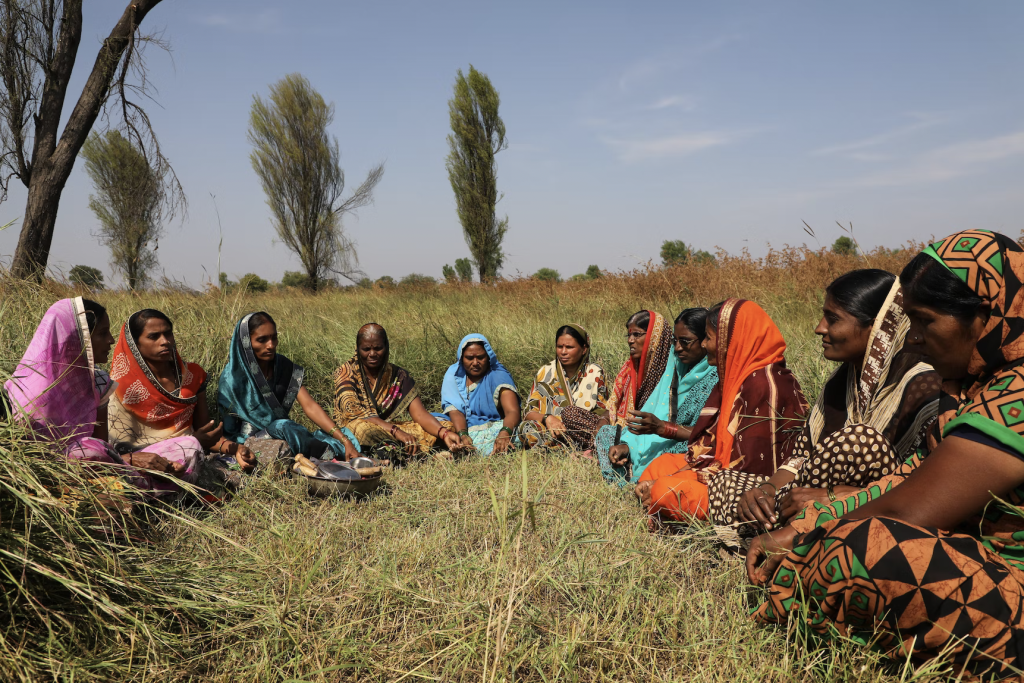
Photo caption
As part of the strategy, CIFOR-ICRAF is pushing for the establishment of a bushfire management task force, creation of a well-equipped forest fire management unit, capacity development across the institutions, and incentivizing bushfire management best practices.
The plan of action marks a turning point in The Gambia’s fight against bushfires. By integrating ecosystem-based adaptation with strong fire management strategies, ICRAF and its partners are helping the West African country build a climate-resilient, natural resource-based economy.