








15 years of REDD+ research informs forest futures
The knowledge developed by GCS REDD+ provided a solid basis to support reforms of REDD+ policies in all countries.
15 years of GCS REDD+ informs forest finance futures
A legacy of research, policy support and community engagement for REDD+ implementation
The Global Comparative Study on Reducing Emissions from Deforestation and Forest Degradation (GCS REDD+) ended its final phase in 2024, closing a chapter on over 15 years of research and practice to help countries reduce their greenhouse gas emissions through REDD+ programmes. CIFOR-ICRAF’s work in supporting sustainable, equitable climate action, however, is far from over.
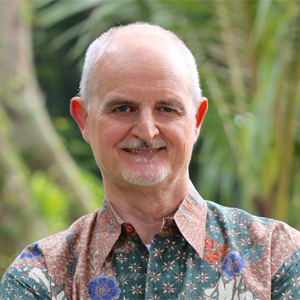
“People very often underestimate the need for proper implementation, which simply takes time,” said Christopher Martius, Team Leader for Climate change, energy and low-carbon development at CIFOR-ICRAF. “Policy processes might take 15-20 years, and that’s what we’re looking at in REDD+.” His response underscores the need for continued resources and interest to implement the lessons learned from almost two decades of GCS REDD+ engagement.
In 2024, the project published two ‘Stories of Change,’ showcasing its impact over national planning and policy processes.
In Peru, GCS REDD+ was instrumental in providing the evidence that national policymakers used to establish a definition and regulatory framework for conserving its palm peatlands – the ‘aguajales’. The project also facilitated the formation of a Peruvian peatland community to safeguard this ecosystem.
Stakeholders in the forest carbon sector also recognized the project’s International Database of REDD+ Projects and Programs: Linking Economics, Carbon and Communities (ID-RECCO) as an essential tool for their work. This free public database allows users to track REDD+ progress across 700 projects and jurisdictions in 57 countries. Reviewers found that ID-RECCO’s comprehensiveness, independence, neutrality and focus on data quality offer unique value compared to other public resources, and the team hopes to continue this work for many years to come.
Photo caption
An independent project assessment by Efeca, published in December 2024, found that “the knowledge developed by [GCS REDD+] provided a solid basis to support reforms of REDD+ policies in all countries.” The report also praised CIFOR-ICRAF, highlighting its reputation as a “solid institution for research” and its role in facilitating scientific access for those shaping REDD+ policy.
While these project contributions have strengthened REDD+ policy frameworks, the project’s research also found areas for improvement in implementation. One study published last year found that while REDD+ initiatives have had a more moderate impact than initially hoped – with benefits unevenly distributed across locations and stakeholder groups – there is significant potential for scaling up. The lead author suggests that accelerating early REDD+ ‘wins’ will require smarter project targeting, improved benefit-sharing contracts, greater financial stability, and long-term commitments to both environmental and socioeconomic goals. These and other insights from GCS REDD+ will continue to shape forest carbon strategies in the coming decades.
In 2024, GCS REDD+ also released three new tools to help policymakers and planners in Peru, Brazil and the Democratic Republic of the Congo estimate deforestation and carbon emissions under different policy scenarios. And it launched REDD-LIT, a free and comprehensive literature database, that compiles all the publications produced through the GCS REDD+ programme to date.