









Ethiopian proclamation funds forest landscape restoration
“This is a landmark achievement for the forestry sector in Ethiopia.”
Long-term engagement contributed to enactment of new law in forest landscape restoration in Ethiopia
Unanimous approval for special fund to continue the Green Legacy Initiative
In the waning days of 2024, the efforts of CIFOR-ICRAF over the past decade to help strengthen forest landscape restoration (FLR) in Ethiopia reached a significant milestone.
FLR involves activities such as rehabilitating degraded communal lands, planting tree seedlings, and conserving and sustainable use of natural forests by engaging communities and other relevant actors. Since the 1970s, the state has owned and managed most forests in Ethiopia, and has been leading most of the country’s FLR initiatives. However, many of its efforts suffered from limited cross-sectoral coordination, poorly defined community-state relationships around tenure security and use rights, and resources to finance FLR initiatives.
CIFOR has been working with various partners in Ethiopia since 2005 to accelerate transformation of rural livelihoods in both agricultural and forest landscapes. To that end, CIFOR initiated research with 16 organizations in the country, including the then Ministry of Environment, Forest and Climate Change (now Ethiopian Forestry Development). Their project, “Enhancing the role of forestry in building climate-resilient green economy,” was funded by the Strategic Climate Institutions Program through the governments of the United Kingdom, Norway and Denmark.
As one of the project outcomes, a study in 2015 identified weak tenure and limited community participation, among other factors, as key obstacles for FLR in the country. These findings then informed the 2018 Forest Proclamation, which recognizes the need for secure forest tenure, the classification of forests based on primary uses and the rights of communities. In 2019, Ethiopia launched the Green Legacy Initiative to restore degraded lands, increase forest cover and reduce the impact of climate change. Yet Ethiopia still needed to enact corresponding forest regulations and guidelines to put the letter of the 2018 law into action.
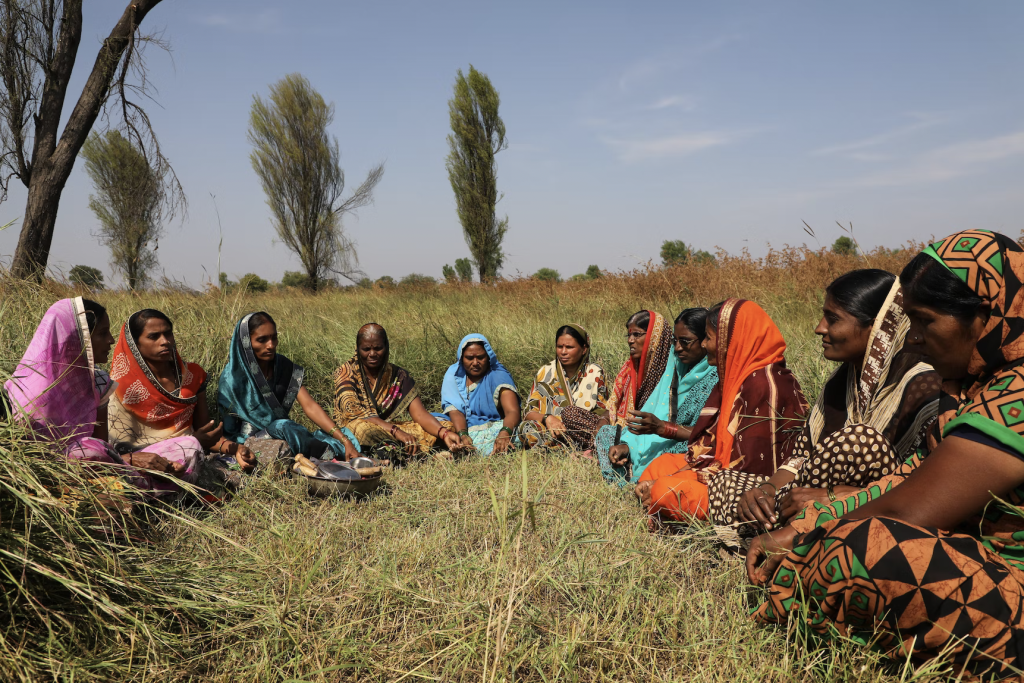
Photo caption
Building on the earlier project, with support from GIZ, the CGIAR Collaborative Research Program on Policies, Institutions and Markets, CIFOR researchers continued to build the case for FLR. They identified the need for dedicated forestry institutions at all levels of government, strong community forest management institutions, and better coordination between regional state land administration and forestry institutions. They argued such steps could create the enabling conditions needed for the 2018 Forest Proclamation.
Based on its engagement in the Norway-financed REDD+ Investment programme I and II, CIFOR continued its close collaboration in forest management and forest landscape restoration work in Ethiopia. To that end, it assisted national efforts to formulate a forest regulation in 2024 that better clarified community rights on forests, and a proclamation to establish a dedicated fund by the Government of Ethiopia.
On 24 December 2024, the House of People’s Representatives in Ethiopia unanimously passed a proclamation that created a special fund to ensure continuity of the Green Legacy Initiative and support FLR. According to the new law, the government will allocate 0.5 to 1 percent of the federal government budget mobilized from internal revenue to the special fund each year.
“This is a landmark achievement for the forestry sector in Ethiopia. It was gratifying to know that our research work and engagement with policy makers and planners helped provide evidence to formulate a law that will further promote forest landscape restoration in Ethiopia,” says Habtemariam Kassa, a principal scientist with CIFOR-ICRAF who has led these efforts. “We look forward to continued collaboration with the Government of Ethiopia in ensuring implementation of the law, and in sharing Ethiopia’s experiences with other countries and interested parties.”