






Transforming barriers to equality
“The most striking finding is that, not only the women benefit, but the men also express that they’re very happy with the result.”
Gender Transformative Approaches used to reduce barriers to equality
Gender analyses and pilot projects across six countries reveal benefits for family harmony, nutrition, and incomes
Tools and methods for collaborative learning and development that reduce barriers to gender equality in resource rights are catalysing change that empowers women and yields a range of benefits, from better health and nutrition to protecting biodiversity and tackling climate change.
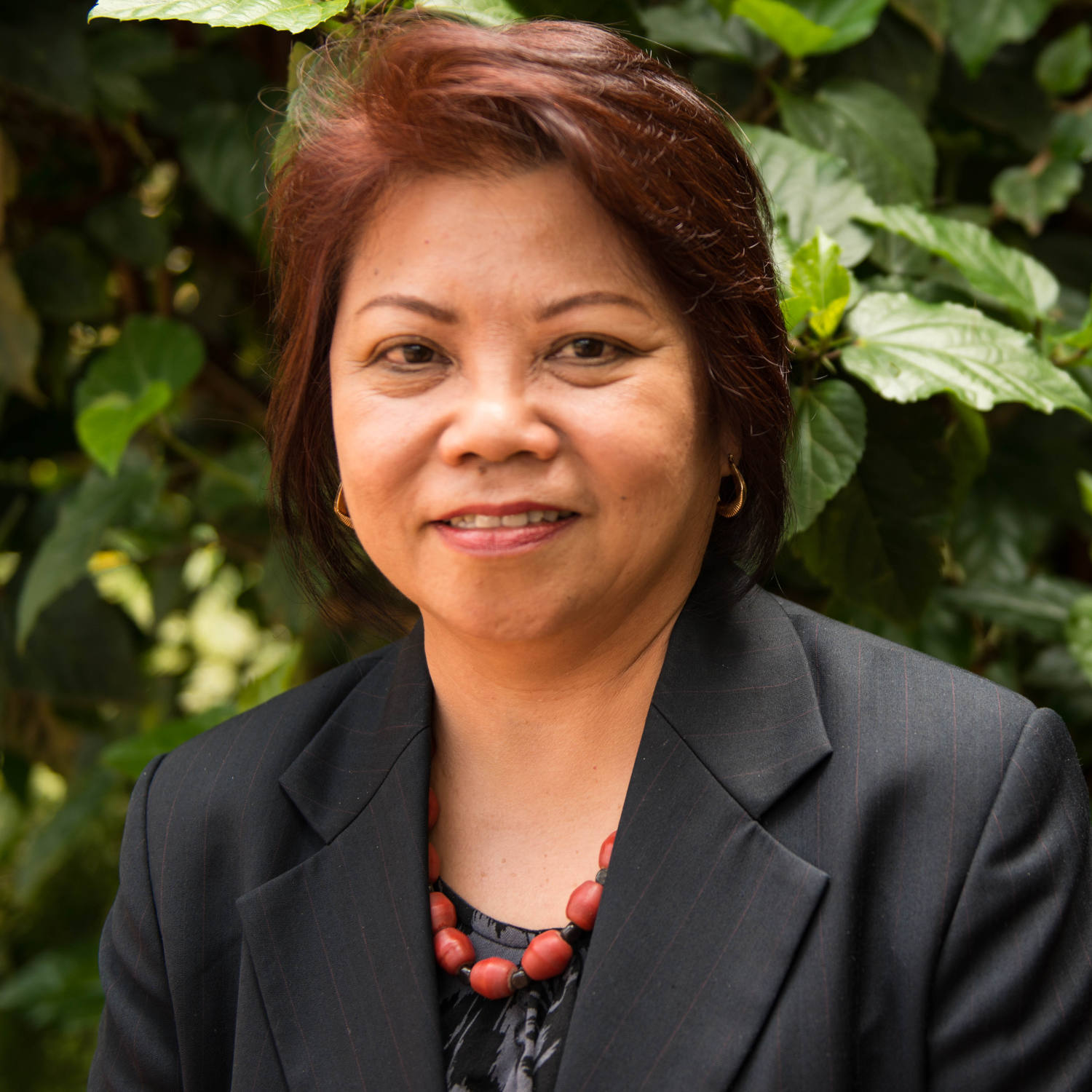
The initiative, “Securing women’s resource rights through gender transformative approaches (GTA),”offers tools and guidance on how to challenge underlying barriers, such as institutional structures and norms, that sustain gender inequality, said Anne Larson, Principal Scientist and Team Leader of the Governance, equity & wellbeing team at CIFOR-ICRAF.
“Applying GTAs helps in identifying the factors that enable change, in order to achieve more equitable involvement of women and girls in decision making, control over resources, and agency over their own labour and future,” said Larson, who leads the three-year initiative that began in 2021.
The work is essential: from climate change to deforestation to biodiversity loss, global challenges are significantly worsened by barriers limiting land and resource rights for women worldwide.
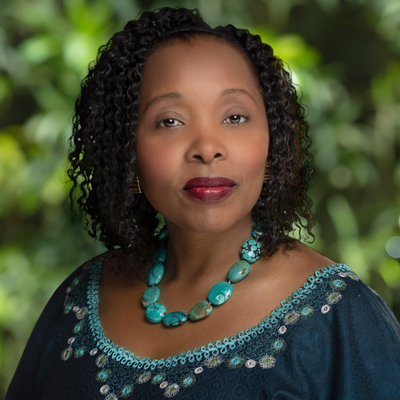
The beauty of the GTA initiative is in how it has systematized concepts and tools that are essential in gender transformation, making these accessible for any individual or project working for change, said Esther Mwaura‑Muiru, Global Advocacy Director at NGO Stand for Her Land, who has been applying GTA tools and methods.
“The question isn’t ‘who should use GTAs’; everyone should use it,” said Mwaura‑Muiru. “It’s a gift to the world.”
The GTA initiative promotes knowledge-sharing on lessons that emerged from co-learning with International Fund for Agricultural Development (IFAD) offices and projects in six diverse contexts, to be shared with the wider IFAD portfolio and beyond.
The publication that adapts the Reach, Benefit, Empower, Transform (RBET) framework to land and resource rights has been one of the most widely celebrated outputs of the GTA initiative, said Larson. It helps identify fundamental questions to consider in programming to be clearer about the level of ambition for change. It also makes it easier to see how projects claiming to “empower” women may only manage to “reach” them, such as through training, without actually verifying if the activities benefit or empower them. It encourages consideration of what it would take to “transform,” from ambition to implementation to evaluation.
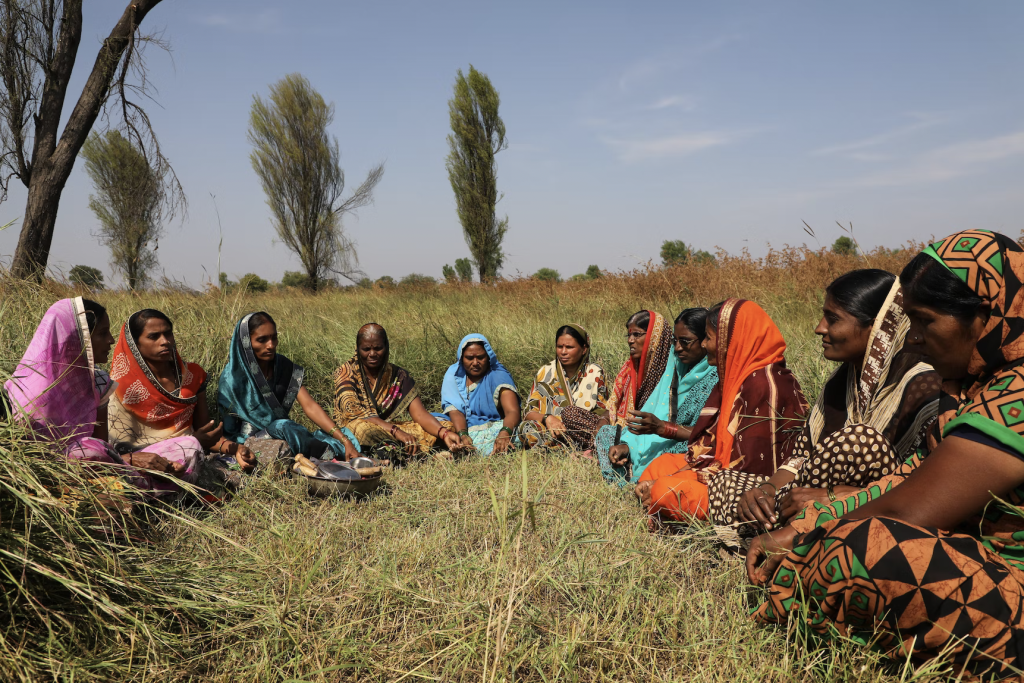
Photo caption
The initiative began work by conducting gender analyses and piloting context-appropriate GTAs in IFAD-funded projects in six countries, to integrate actions to strengthen women’s land rights: Bangladesh, Colombia, The Gambia, Kyrgyzstan, Uganda, and Ethiopia.
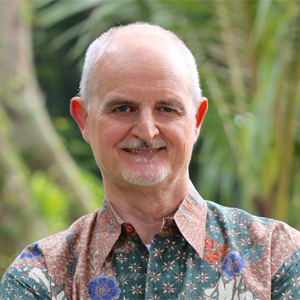
Research in Ethiopia probed whether greater cooperation was in fact being achieved between men and women at the household level in communities involved in Ethiopia’s Participatory Small-scale Irrigation Development Programme (PASIDP) II. Overcoming traditional gender barriers at household levels, through PASIDP’s Gender Model Family method, was shown to lead to positive changes for men and women – including better family harmony, nutrition and incomes, said CIFOR-ICRAF scientist Stibniati Atmadja.
“That’s the most striking finding – not only the women benefit, but the men also express that they’re very happy with the result,” said Atmadja. But that’s only a start: transformations at higher levels, such as community management of water and irrigation in Ethiopia, demands deeper change, she said. “We see how GTAs can make a huge difference in families, but these must be scaled up to have real impact in a wider context.”
Larson agrees. “The work of the GTA initiative is not complete. We want to continue the learning and developing the tools to improve lives.”