

Skip to content

In the
Spotlight

Presenting CIFOR-ICRAF's ongoing commitment to resilient tree, forest, and agroforestry landscapes
Annual Report 2024
Arrow Down
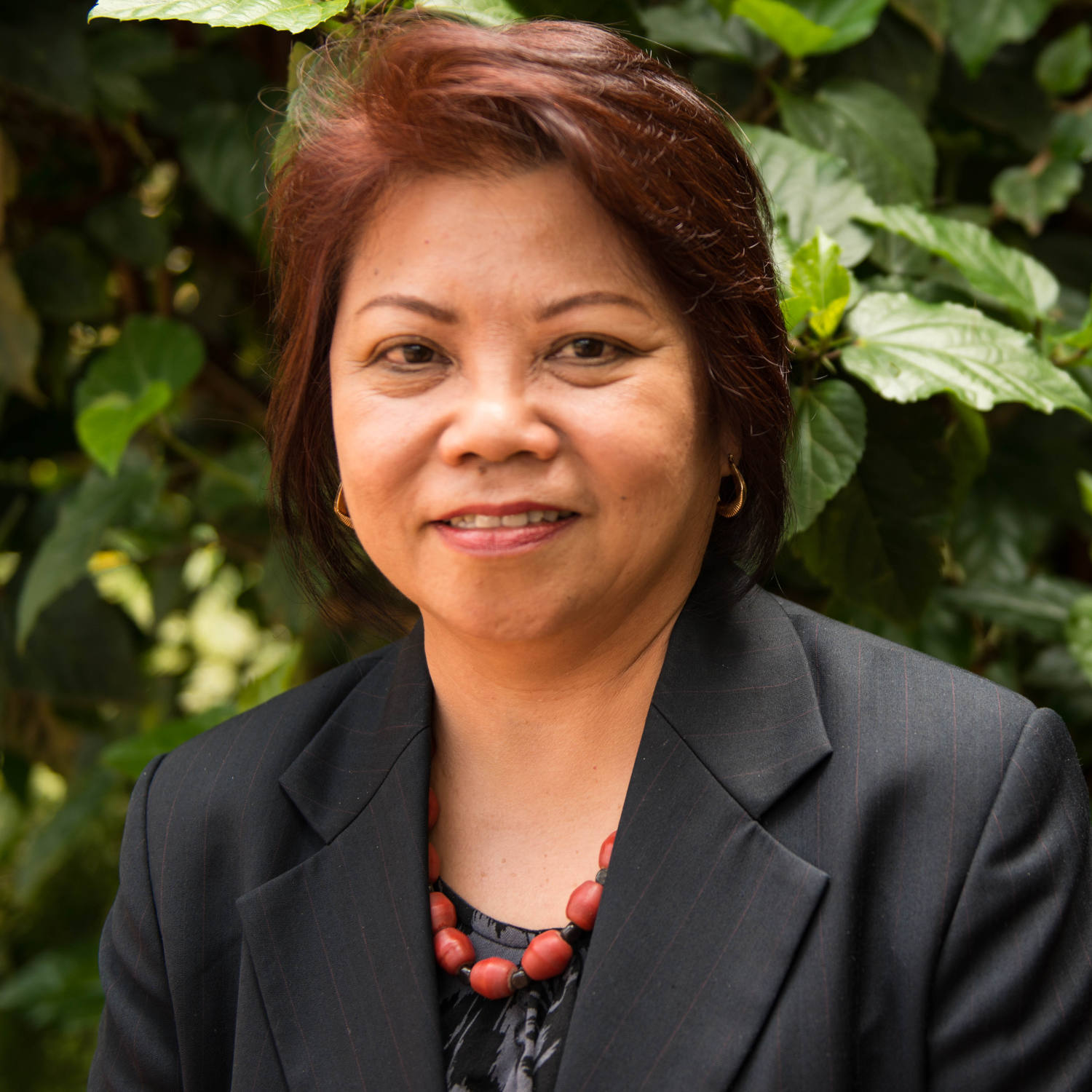
Doris Capistrano
Doris Capistrano
Board Chair

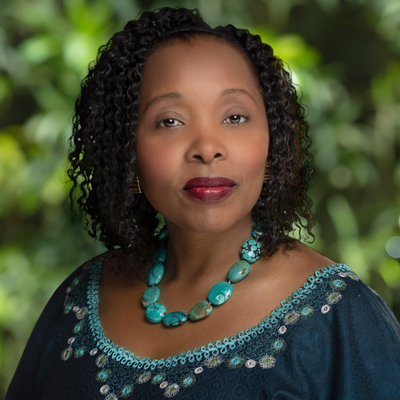
Éliane Ubalijoro
Éliane Ubalijoro
Ex-officio Trustee, ICRAF
Chief Executive Officer (CEO), CIFOR-ICRAF
Director General, ICRAF

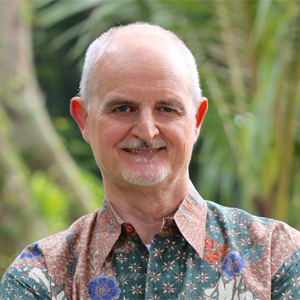
Robert Nasi
Robert Nasi
Ex-officio Trustee, CIFOR
Chief Operating Officer (COO), CIFOR-ICRAF
Director General, CIFOR

Message from our leadership

Lorem ipsum dolor sit amet, consectetur adipiscing elit. Phasellus justo lacus, mattis vel pulvinar id, finibus eget erat. Aliquam eu mi dolor. Phasellus iaculis a dolor sit amet volutpat.

Praesent eleifend varius ipsum, egestas eleifend massa mattis eu. Pellentesque a posuere tellus, et vulputate sem. Vestibulum lobortis, felis at tempor dictum, libero elit volutpat elit, nec sollicitudin massa mi vitae nunc. Morbi quis varius urna. Interdum et malesuada fames ac ante ipsum primis in faucibus. Integer leo felis, semper eget fringilla in, facilisis ut sem.

Sed eu ligula vel elit varius varius.

Praesent non risus lacinia, sagittis nulla a, sagittis eros. Cras nec eleifend diam, et vestibulum sem. Donec vitae ornare massa, non venenatis lorem. Maecenas in ornare tellus, nec aliquam sapien. Morbi posuere tellus ante, at egestas mauris blandit ac. In hac habitasse platea dictumst. Sed eu ex sagittis, consectetur lorem at, tempor elit. Proin congue diam a augue.

Read More

Éliane Ubalijoro
Éliane Ubalijoro
Ex-officio Trustee, ICRAF Chief Executive Officer (CEO), CIFOR-ICRAF Director General, ICRAF
Robert Nasi
Robert Nasi
Ex-officio Trustee, CIFOR Chief Operating Officer (COO), CIFOR-ICRAF Director General, CIFOR

By the numbers

Counting our successes

People and projects around the world count on CIFOR-ICRAF to deliver meaningful impacts for tree-based landscapes and the lives they support. Each number factors into our story of hope-in-progress – one that we and our partners continue to write each day.

  • Impact
  • Staff and projects
  • Partnerships
  • Finance
  • Reach

Our work

Putting impact into words

With projects in over 20 countries, our work covers a lot of ground and translates into countless outcomes for human and environmental well-being. The impact stories highlight our 2024 successes in advancing dialogue, revitalizing landscapes, reimagining food systems, and supporting equitable action.

Influence

Advancing global dialogue

CIFOR-ICRAF advocated for tree-based ecosystems to play a more central role in addressing earth’s most pressing challenges.

Restoration

Revitalizing landscapes

Our pioneering restoration work was recognized internationally with a UN Restoration Flagship Award, and CIFOR-ICRAF projects boosted data-driven decision-making for holistic ecosystem management.

Mitigation and adaptation

Building climate resilience

The reality of climate change continues to shape the future of forests and agroforestry. As discussions on global ‘tipping points’ intensified in 2024, CIFOR-ICRAF remained committed to delivering research and innovations that strengthen community resilience—working to sustain a partnership with trees for the decade ahead.

Nature’s pantry

Reimagining food systems

Our work across tree-based food systems—spanning farmers, hunters, sellers, and policymakers—informed national and regional strategies and resulted in innovative technologies.

Inclusion

Facilitating equitable action

In 2024, CIFOR-ICRAF continued to prioritize equitable outcomes for people in and around forest, tree and agroforestry landscapes. Our efforts resulted in improved governance frameworks and opportunities in the communities where we worked.

From our labs

Science on site

CIFOR-ICRAF is home to state-of-the-art laboratories, including Africa’s largest agroforestry genebank and cutting-edge facilities for soil spectral analysis and dendroecology. In 2024, we continued finding data-driven solutions that support sustainable land use, climate resilience, and ecosystem restoration.

Tree Genebank
Strengthening global efforts to preserve vital tree biodiversity
Tree diversity is critical, but of the 60,000 known tree species worldwide, 30% are threatened with extinction. CIFOR-ICRAF is leading the way in the conservation of tree species, including native trees critical for food and climate resilience. Its seed genebank in Nairobi headquarters houses one of the world’s largest tropical tree seed collections used to improve tree planting, with over 7,000 accessions representing 195 agroforestry tree species. Field genebanks located in 52 sites across 19 countries conserve over 19,000 accessions of 82 agroforestry tree species from Africa, Asia and Latin America. The Tree Genebank made up of the seed and field genebanks sent the very first tree seeds to be duplicated for storage in Norway’s Svalbard Global Seed Vault, which holds over 1 million tree seeds from 177 species. In 2024, our scientists prepared 120,000 seeds from 13 native African tree species for another deposit in early 2025. And in partnership with Botanic Gardens Conservation International (BGCI) and Unique land use, CIFOR-ICRAF launched a Transformative Partnership Platform for tree seed and seedling delivery systems (Quality Tree Seed TPP) as part of the Right Tree, Right Place – Seed project (RTRP-Seed), which aims to empower Africa-wide stakeholders to develop sustainable, integrated and high-quality tree seed and seedling sectors for effective landscape restoration and broader tree planting.
Spatial Data Science & Applied Learning (SPACIAL) Lab
Translating CIFOR-ICRAF science into user-friendly tools
The Spatial Data Science and Applied Learning Lab (SPACIAL) leverages satellite imagery to monitor forest cover, deforestation, and restoration progress in near-real-time. Through remote sensing, Earth Observation Data, and modelling, SPACIAL is working to predict soil properties, land degradation status, and species distribution – including invasive species – for more targeted and efficient interventions. SPACIAL co-designs digital tools with a wide range of stakeholders to engage citizen scientists and help fill data gaps. These include decision-support dashboards, mobile apps like the Regreening App, and the Landscape Portal, an interactive online spatial data storage and visualization platform. Nam sed leo purus. Duis tellus orci, vulputate sit amet fringilla tempus, blandit vulputate dui. Phasellus ornare ac odio et scelerisque. Aenean lacinia ex eget ipsum rutrum, sit amet accumsan neque hendrerit. Aliquam non lacinia ex. Aliquam sollicitudin, felis eu dapibus fermentum, mi eros placerat erat, vel gravida justo dolor ac massa. Praesent consectetur aliquam eros, gravida venenatis erat. Donec vitae accumsan tellus, sit amet vehicula risus. Maecenas finibus mattis nunc, ut sollicitudin nulla. Nam sed leo purus. Duis tellus orci, vulputate sit amet fringilla tempus, blandit vulputate dui. Phasellus ornare ac odio et scelerisque. Aenean lacinia ex eget ipsum rutrum, sit amet accumsan neque hendrerit. Aliquam non lacinia ex. Aliquam sollicitudin, felis eu dapibus fermentum, mi eros placerat erat, vel gravida justo dolor ac massa. Praesent consectetur aliquam eros, gravida venenatis erat. Donec vitae accumsan tellus, sit amet vehicula risus. Maecenas finibus mattis nunc, ut sollicitudin nulla.
Soil laboratories
Leading a transformation in land and soil health assessments
The Soil and Land Health Laboratory, based in Nairobi, is renowned for its robust, cost-efficient, and rapid analysis of soils, plants, and agricultural inputs using dry spectral methods. In 2024, the lab analysed over 27,000 samples from 14 countries and received 425 visitors. Its internship programme has welcomed 50 interns worldwide in recent years – including a record 14 students last year. To celebrate World Environment Day, CIFOR-ICRAF and the United Nations Environment Programme co-hosted a workshop on soil management. To strengthen technical capacity in soil spectroscopy, CIFOR-ICRAF’s Soil and Land Health Theme established new spectral labs in India, Gambia and in Sri Lanka. As part of an ongoing project in Sri Lanka’s Knuckles region, soil sampling is being conducted using the Land Degradation Surveillance Framework (LDSF) – a tool designed to help track the effectiveness of rehabilitation efforts. Soil experts also contributed to the seminal Africa Fertilizer and Soil Health Summit and action plan and are working with the African Union Development Agency to strengthen soil information services across Africa. Finally, we launched Soil Values, a 10-year programme focusing on Integrated Soil Fertility Management, and continued our work in the Coalition of Action 4 Soil Health (CA4SH). Nam sed leo purus. Duis tellus orci, vulputate sit amet fringilla tempus, blandit vulputate dui. Phasellus ornare ac odio et scelerisque. Aenean lacinia ex eget ipsum rutrum, sit amet accumsan neque hendrerit. Aliquam non lacinia ex. Aliquam sollicitudin, felis eu dapibus fermentum, mi eros placerat erat, vel gravida justo dolor ac massa. Praesent consectetur aliquam eros, gravida venenatis erat. Donec vitae accumsan tellus, sit amet vehicula risus. Maecenas finibus mattis nunc, ut sollicitudin nulla.
Dendroecology laboratory
Building climate resilience through tree-ring analysis
Trees are natural archives, revealing vital clues that can help forests, trees and agroforestry landscapes adapt to a changing climate. Housed at CIFOR-ICRAF headquarters in Nairobi, the Dendroecology Lab studies how climate change affects trees, forests and communities. Using tree rings, wood anatomy, isotopes, and growth monitoring, the lab analyses past and present climate impacts to predict future ecosystem resilience and guide climate-smart restoration and land management decisions. Scientists reconstruct hydroclimate history, assess carbon and water cycles as well as fire, natural hazards and insect dynamics, and identify climate-smart ecosystem restoration and management options. Strengthening capacity through student training and citizen science is another key aim. In partnership with the African Tree Ring Network (ATRN), CIFOR-ICRAF organized the first-ever dendrochronology workshop in Africa, which took place in Addis Ababa, Ethiopia. Workshop participants explored the role of tree-ring science in addressing global and regional climate challenges, supporting ecosystem restoration, and advancing sustainable development. Nam sed leo purus. Duis tellus orci, vulputate sit amet fringilla tempus, blandit vulputate dui. Phasellus ornare ac odio et scelerisque. Aenean lacinia ex eget ipsum rutrum, sit amet accumsan neque hendrerit. Aliquam non lacinia ex. Aliquam sollicitudin, felis eu dapibus fermentum, mi eros placerat erat, vel gravida justo dolor ac massa. Praesent consectetur aliquam eros, gravida venenatis erat. Donec vitae accumsan tellus, sit amet vehicula risus. Maecenas finibus mattis nunc, ut sollicitudin nulla.

Our landscapes

Where we work

CIFOR-ICRAF remains active in more than 27 countries, launching projects with high-impact potential across Africa, Europe, Asia and Latin America. Explore the map to read the regional highlights.

Our work

Growing together

By forging deep partnerships with local and global organizations, CIFOR-ICRAF remains at the forefront of delivering transformative research that unlocks lasting impact. We are deeply thankful to our funding partners for their trust and support, and to our implementing partners who translate vision into reality.

The Global Landscapes Forum (GLF)

The Global Landscapes Forum (GLF)
The Global Landscapes Forum (GLF) is the world’s largest knowledge-led platform on integrated land use, dedicated to achieving global goals and committed to the landscape approach.

Resilient Landscapes

Resilient Landscapes
Acting as a bridge between science and the private sector, Resilient Landscapes inserts the knowledge of CIFOR-ICRAF’s 800+ international staff into high-impact, bankable project designs.

Partners

Partners
Our work is possible thanks to the financial support of our funding partners and the collaboration of our implementing partners – to deliver the greatest potential impact.

About CIFOR-ICRAF

About CIFOR-ICRAF
The Center for International Forestry Research and World Agroforestry (CIFOR-ICRAF) harnesses the power of trees, forests and agroforestry landscapes to address the most pressing global challenges of our time – biodiversity loss, climate change, food security, livelihoods and inequity. CIFOR and ICRAF are CGIAR Research Centers.
CIFOR-ICRAF Logo

Annual
Report 2024

© 2025 All Rights Reserved. CIFOR-ICRAF

Arrow Up

The Center for International Forestry Research and World Agroforestry (CIFOR-ICRAF) harnesses the power of trees, forests and agroforestry landscapes to address the most pressing global challenges of our time – biodiversity loss, climate change, food security, livelihoods and inequity. CIFOR and ICRAF are CGIAR Research Centers.

Design and website development: Mardiyah Miller, Putra Perdana, Dodi Iriyanto
Writing: Daniella Silva, Erin O’Connell, Amindeh Blaise, Sandra Cordon, Monica Evans, Mark Foss

Back to main

Pioneering support for national agroforestry plans

“Our initial efforts in India have truly had a global impact, even beyond the national agroforestry plans.”
Javed Rizvi
Former director of Asia for CIFOR-ICRAF

Inspiring countries across the globe to embed agroforestry into national policies

Initial success in India has sparked partnerships with countries from Sub-Saharan Africa to Central America to develop own national plans

Ten years after its launch, the impact of India’s National Agroforestry Policy continues to resonate both within the country and around the world. CIFOR-ICRAF, in collaboration with CAFRI (Central Agroforestry Research Institute) and other stakeholders fostered and supported the development and adoption of the policy in 2014 – the world’s first such policy of its kind.

According to the State of the World’s Forests 2024, India’s NAFP catalysed 2.66 million hectares of forest annually from 2010 to 2020. In addition to diversifying income for farmers, the NAP also helped India reduce its emission intensity of gross domestic product by 33 percent over 2005 levels – a target reached 11 years ahead of schedule.

The momentum built through the initiatives triggered by India’s NAFP was amplified through a programme focused on trees outside forests, which supported seven Indian states to develop specific agroforestry policies. The state of Assam approved its own policy in December 2024, developed in collaboration with the Assam Forest Department. The polices of other states are at various stages of development.

Even before these outcomes, other countries in the region drew inspiration from India’s vision. With support from CIFOR-ICRAF, the Association of Southeast Asian Nations developed agroforestry guidelines in 2018 to support sustainable agriculture and environmental conservation. And in 2019, Nepal became the second country to approve and implement its own NAP.
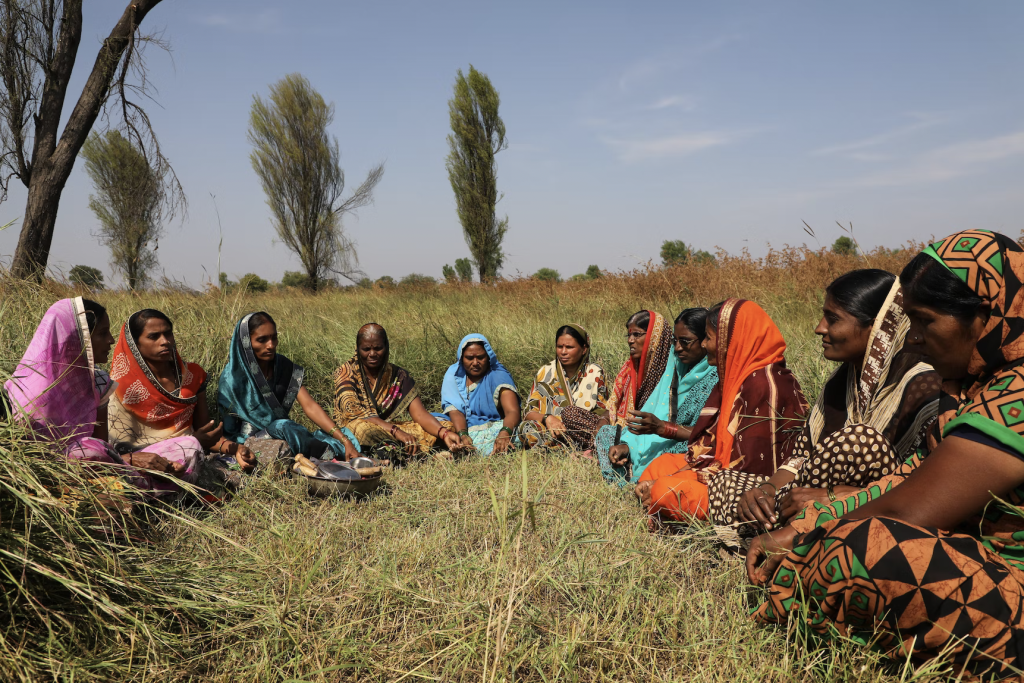
Photo caption

Since then, CIFOR-ICRAF has supported governments in Sub-Saharan Africa and Central America to develop and adopt their own strategies and plans.

As the first African country to declare an ambitious land restoration target under the Bonn Challenge and AFR100, Rwanda recognized agroforestry as a key approach and adopted a National Agroforestry Strategy and Action Plan (2018-2027), but faced implementation challenges. With high-level support through the Trees on Farms for Biodiversity and the Regreening Africa programmes, CIFOR-ICRAF supported the establishment of an Agroforestry Task Force to operationalize the strategy.

“The hope is that once the task force is fully operational, we will see a much more integrated approach to agroforestry between the two ministries in collaboration with other development partners involved in landscape restoration through agroforestry,” said Elisee Bahati Ntawuhiganayo, research assistant with ICRAF Rwanda.

The development of the National Agroforestry Strategy for The Gambia 2022-2032 was spearheaded by CIFOR-ICRAF as part of its large-scale ecosystem-based adaptation project in the country. In collaboration with partners, it also supported the establishment of a national task force to implement the strategy.

For its part, the Government of Kenya asked CIFOR-ICRAF to set up a technical committee to support the development of its national agroforestry strategy, as well as gather evidence, engage stakeholders and be part of a joint secretariat. Meanwhile, South Africa has identified the need for a national policy that would pursue global collaborations with CIFOR-ICRAF and agroforestry practitioners in India, among others. CIFOR-ICRAF also supported the development of a national agroforestry strategy in Tanzania and a National Watershed and Agroforestry Muti-Stakeholder Platform in Ethiopia, among other national policies.

As part of this global movement towards sustainable land-use practices, Belize and the Maldives have also been drawing on international best practices to develop its own national strategy, citing CIFOR-ICRAF’s expertise in agroforestry.

“The initial efforts in India have truly had a global impact, even beyond the NAPs,” said Javed Rizvi, former director of Asia for CIFOR-ICRAF. “Our pioneering work with the Odisha State of India led to the development of the highly acclaimed Agroforestry app, which not only helps farmers and extension workers find the right tree species for farms but also provides a complete solution to successfully establish agroforestry systems.” By the end of 2024, the app had been downloaded in 120 countries, and India’s Ministry of Agriculture has provided funding to CIFOR-ICRAF to adapt the app for use country-wide.

Back to main
CIFOR-ICRAF Logo

Annual
Report 2024

© 2025 All Rights Reserved. CIFOR-ICRAF

Arrow Up

The Center for International Forestry Research and World Agroforestry (CIFOR-ICRAF) harnesses the power of trees, forests and agroforestry landscapes to address the most pressing global challenges of our time – biodiversity loss, climate change, food security, livelihoods and inequity. CIFOR and ICRAF are CGIAR Research Centers.

Design and website development: Mardiyah Miller, Putra Perdana, Dodi Iriyanto
Writing: Daniella Silva, Erin O’Connell, Amindeh Blaise, Sandra Cordon, Monica Evans, Mark Foss