









Co-creating peatland impacts in Indonesia
“The policy influences are significant, from funding for fragile ecosystems to corporate governance, as are the education and capacity-building successes of Peat-IMPACTS.”
Lessons from Peat-IMPACTS Indonesia shared widely
Sustainable solutions to Indonesia peatland management key to project success
Supporting policy change to achieve sustainable and climate-neutral solutions to peatlands management, while raising awareness among key stakeholders, are among the major achievements of the initiative Improving the Management of Peatlands and the Capacities of Stakeholders in Indonesia (Peat-IMPACTS Indonesia).
The five-year project, which concluded in December 2024, was funded by the German government’s International Climate Initiative (IKI) to restore, manage, and protect Indonesia’s vital peatlands. Lessons learned under the project are being shared nationwide. Mitigation of emissions achieved under Peat-IMPACTS Indonesia also help the country to meet its Nationally Determined Contributions (NDC) and its national 2015–2020 development plan. The project’s impacts have been widely shared to support Indonesia in achieving sustainable, climate-smart peatland management through a transformative landscape approach, said Sonya Dewi, Asia director with the Center for International Forestry Research and World Agroforestry (CIFOR-ICRAF) and principal researcher with the project.
“The policy influences are significant, from funding for fragile ecosystems to corporate governance, as are the education and capacity-building successes of Peat-IMPACTS,” said Dewi.
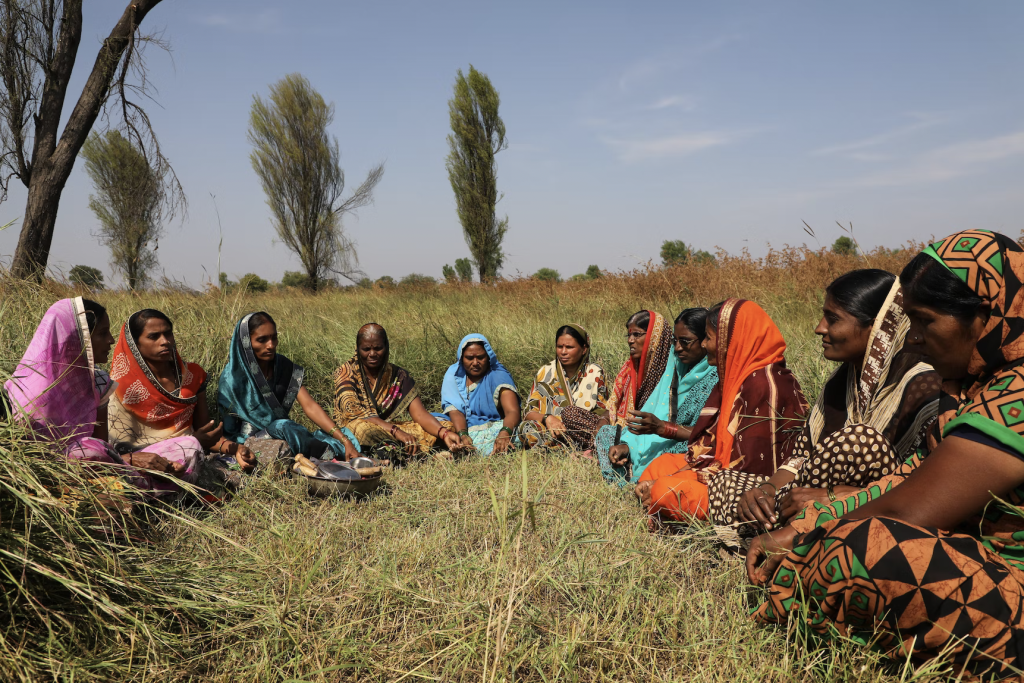
Photo caption
Indonesia is home to the Earth’s largest tropical peatlands, which stock an estimated 30 percent of all soil carbon while helping to ensure a reliable source of freshwater. Some 50 percent of Indonesia’s peatland areas have been degraded by excessive land use and fire damage.
Peat-IMPACTS has influenced government policies, including more than a dozen roadmaps guiding the Peat Hydrological Unit (KHG) of Sungai Sugihan-Sungai Lumpur and Saleh Sugihan as well as sustainable peat roadmap documents;and contributed toan interactive story map for Pegari (Peta Jalan Desa Gambut Lestari/Road map to sustainable peat villages) as well as its launch video. Additionally, the Regional Environmental Protection and Management Document (RPPEG) – the legal basis for the RPPEG resolution in Kubu Raya district – was completed by West Kalimantan Environmental Agency with Peat-IMPACTS support, while district regulations of corporate environmental and social responsibility measures are at the final stage of development. Those will govern criteria and funding allocation for fragile ecosystems – particularly peatlands – while indicators and measurement tools have been devised to recognize corporate contributions to fragile ecosystems.
Capacity development impacts from Peat-IMPACTS are seen in a series of trainings on good agricultural practices (GAP), sustainable agriculture, and entrepreneurship for farmer groups in 12 pilot villages. Some 70 training events on those topics were conducted for 566 farmers while 549 farmers increased their knowledge of the topics and about 61 percent of them later said they had adopted the techniques.
In addition, 36 farmer champions were identified to conduct trainings for farmers groups beyond pilot villages, and demonstration plots were established for fruit-based (durian, matoa, pineapple) agroforestry in Sungai Asam Village, Kubu Raya, West Kalimantan. Guidelines on coffee harvesting, post-harvest handling, and coffee roasting were developed along with GAP for rhizomes species as understorey in agroforestry systems, and guidelines on GAP for rubber and fruit trees in agroforestry systems were all completed.
Pioneering the first-ever curriculum on peatlands for primary and junior high school students was a significant achievement, with material adapted to the ecological context and culture in each province, creating a model for other peat-rich districts in Indonesia. The initiative also completed a comparative analysis on profitability in rubber agroforestry systems versus monoculture systems in Lebung Itam village, Ogan Komering Ilir.
At the national level, the Indonesian Soil and Fertilizer Instrument Standard Testing Institute (BPSI Tanah dan Pupuk) of the Ministry of Agriculture was the implementing partner. The project also collaborated with the National Research and Innovation Agency (BRIN), the Ministry of Environment and Forestry, and the Peat and Mangrove Restoration Agency.