






African initiative advances ecological monitoring
“We need to bring science and evidence into decision-making tables.”
New Regional Centres of Excellence boost data-driven decision making across Africa’s ecosystems
Centres in East, West and Southern Africa boosting data-driven decision-making about ecosystems
Africa’s forests, ecosystems and biodiversity provide essential services – such as food, water, fuel and shelter – that contribute to the well-being of local populations, while supporting economic growth and development across the continent. Facing growing populations and disproportionate climate impacts, decision-makers across the continent need access to timely, high-quality data and scientific insights to sustainably manage these resources for future generations.
To facilitate such access, CIFOR-ICRAF is implementing an EU-funded initiative known as the Regional Centres of Excellence (RCoE) for Biodiversity and Forests: a strategic step forward to sustainably manage Africa’s biodiversity and ecosystems through advanced geospatial information systems and data-driven decision-making.
The RCoE programme currently encompasses three centres in West Africa, Central Africa and – since 2024 – East and Southern Africa. They are hosted by the Ecological Monitoring Centre (CSE), the Central Africa Forest Observatory (OFAC), and the Regional Centre for Mapping of Resources for Development (RCMRD), respectively, and held their first joint annual meeting in Dakar, Senegal in October 2024.
The new RCoE for East and Southern Africa launched in October in Nairobi, Kenya and seeks to offer critical evidence for biodiverse forests, grasslands, and aquatic ecosystems management across 24 countries. It aims to become a resource for policymakers to assess the status of and threats to their biodiversity and ecosystems.
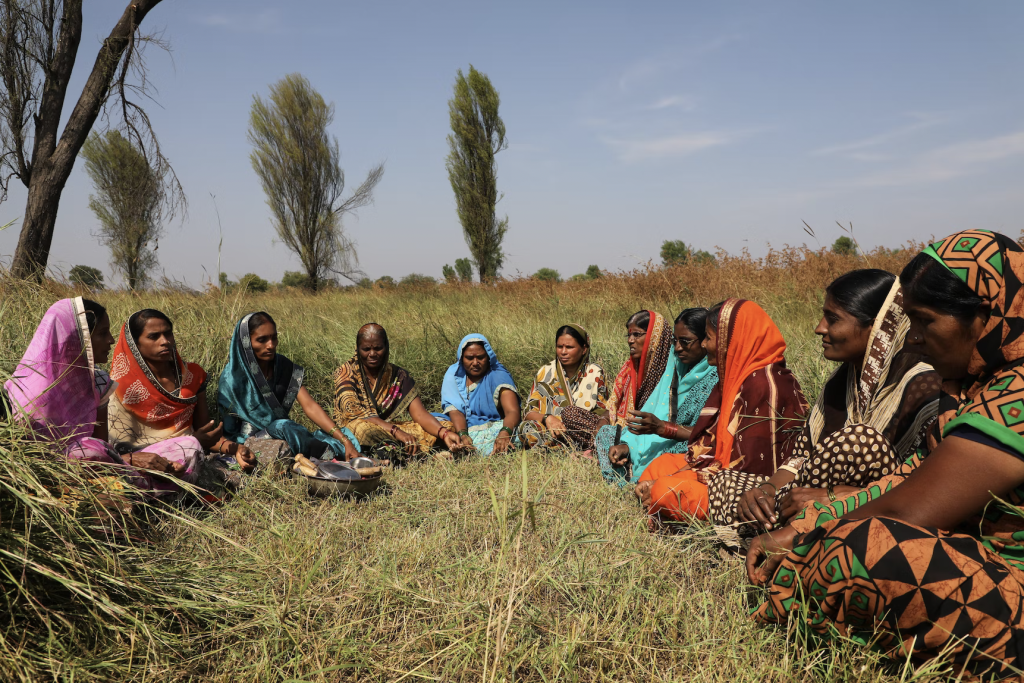
Photo caption
“This is very important because without data, we cannot make informed decisions on how to move forward and address the environmental challenges that we are facing,” said Peter Minang, CIFOR-ICRAF’s director for Africa. “We need to bring science and evidence into decision-making tables.”
The Kenya-based RCoE succeeds the East and Southern Africa Forest Observatory (OFESA), which ran from 2020-2023 with support from the European Union and implementation led by CIFOR-ICRAF and the Regional Centre for Mapping of Resources for Development (RCMRD). OFESA sought to address critical gaps in forest monitoring and management across Eastern and Southern Africa. It established a sustainable governance framework for the long-term functioning of the Observatory, and built capacity in the management and utilization of environmental information.
According to its final evaluation, OFESA “enhanc[ed] the capacity of 14 forest institutions across Kenya, Uganda, Tanzania, Ethiopia, and Mozambique, where 207 national-level forest officials (150 men and 57 women) strengthened their capacity to collect, aggregate, and analyse forest data.” Its foundational work laid the groundwork for a more comprehensive and integrated approach to environmental governance, and demonstrated the need for a centralized hub of expertise that could build upon these achievements and address the continent’s evolving challenges.
By leveraging the insights and recommendations from the OFESA project, the RCoE is poised to play a pivotal role in addressing the region’s environmental challenges, fostering a culture of data sharing, and promoting sustainable forest management practices.
2024 also marked a milestone for OFAC, which hosts the RCoE in Central Africa, as it heralded the close of the second phase of the EU-funded Strengthening and Institutionalization of the Central Africa Forest Observatory (RIOFAC) project, which supported OFAC in its efforts to strengthen national capacities to collect data, analyse and disseminate information necessary for decision-making on Central African forests and the economic value chains that depend on them. RIOFAC’s terminal evaluation rated highly the impact of the 2021 State of the Forests of the Congo Basin report, as well as the other research completed under the OFAC umbrella.